Edit 53: The Art of Noticing
And the Architecture of Attention
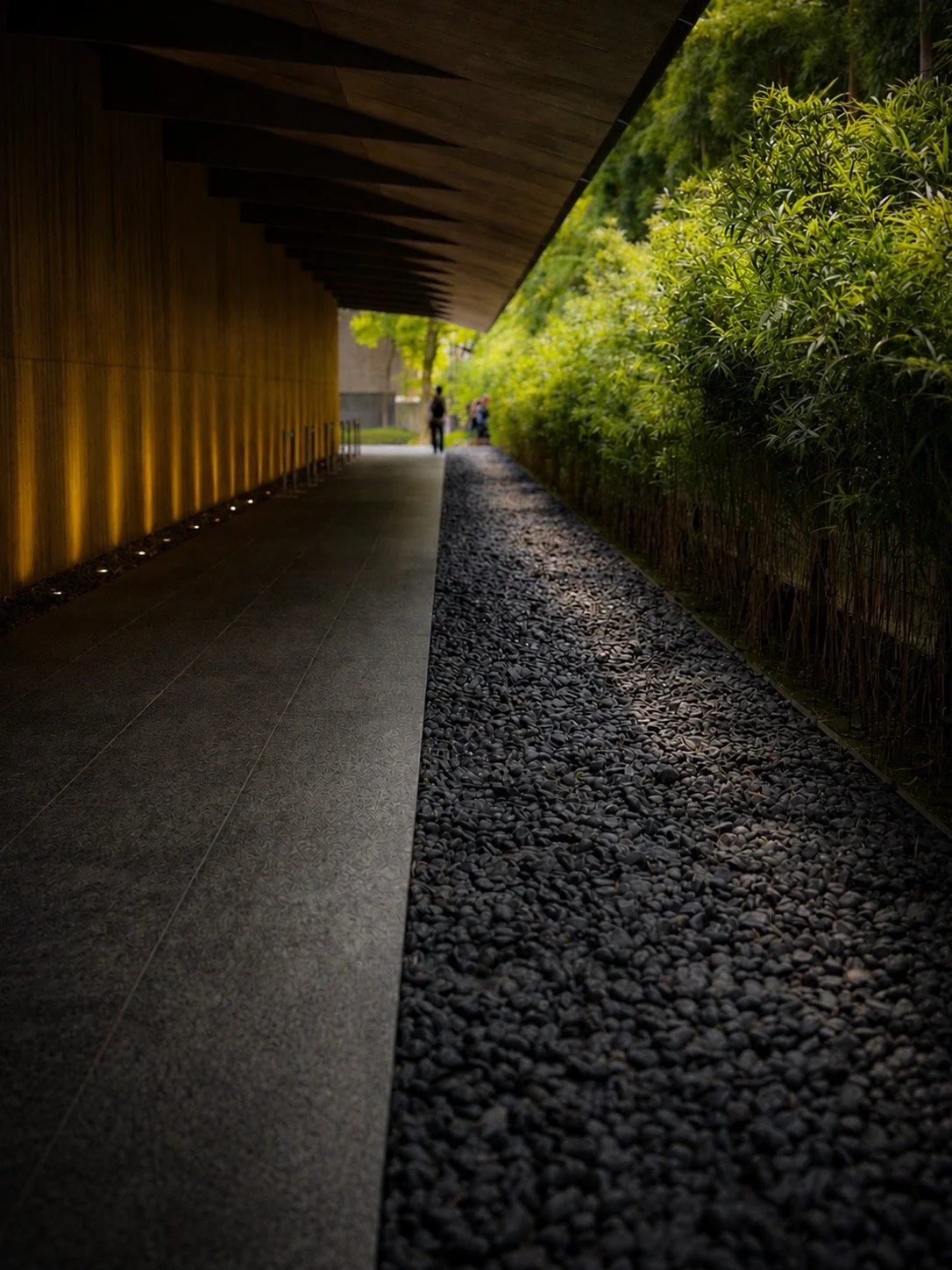
There is something wonderfully comforting about editing photographs after returning home from a long journey…somehow it manages to turn into the longest Edit ever.
All joking aside, part of it has to do with the lingering jet lag that keeps me awake long after everyone else has gone to bed. It's also the knowledge that travel doesn't truly end when the suitcases are unpacked. It continues through those silent evenings spent sorting images and reliving conversations.
While working my way through my photographs from Japan, I've found myself drawn to the same kinds of images over and over again. They're of museums. My lens, and now my eyes, continue to linger over staircases, reflections, the curve of a concrete wall, the geometry of a ceiling, or the way light transforms an otherwise ordinary space.
It makes sense to me. Museums have never simply been places where I go to see art, but places that have taught me how to observe what surrounds it.
This led me back to a question I explored in my previous essay—not to revisit it completely, but because these photographs carried me somewhere unexpected. Some of the most meaningful images I made in Japan weren't of the exhibitions themselves.
They were of the spaces that prepared me to experience them.
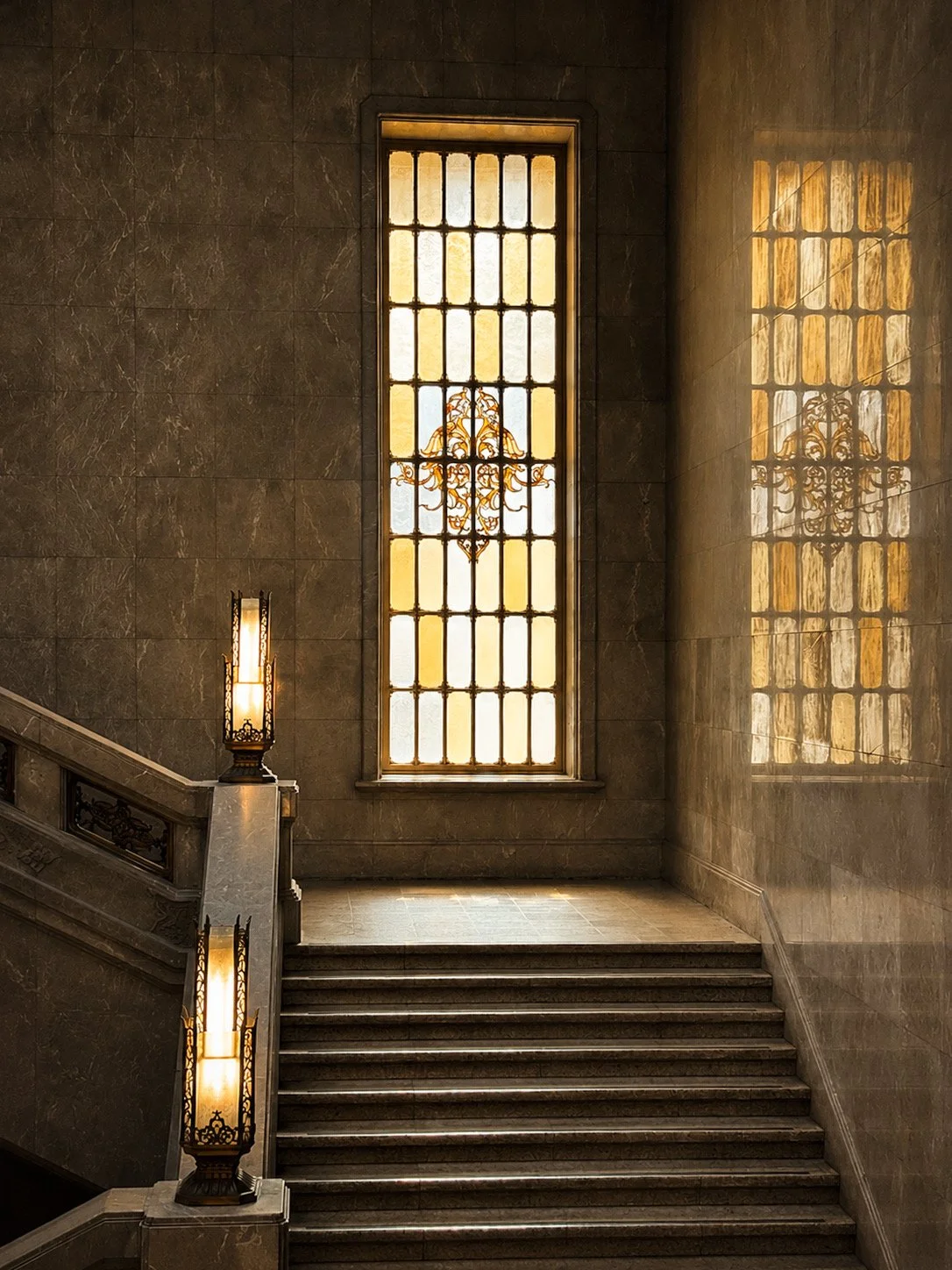
Japan has a remarkable ability to dissolve the boundaries between architecture and art. Some of my favorite museums in the world are here, and while their collections are extraordinary, the buildings themselves leave an equally lasting impression.
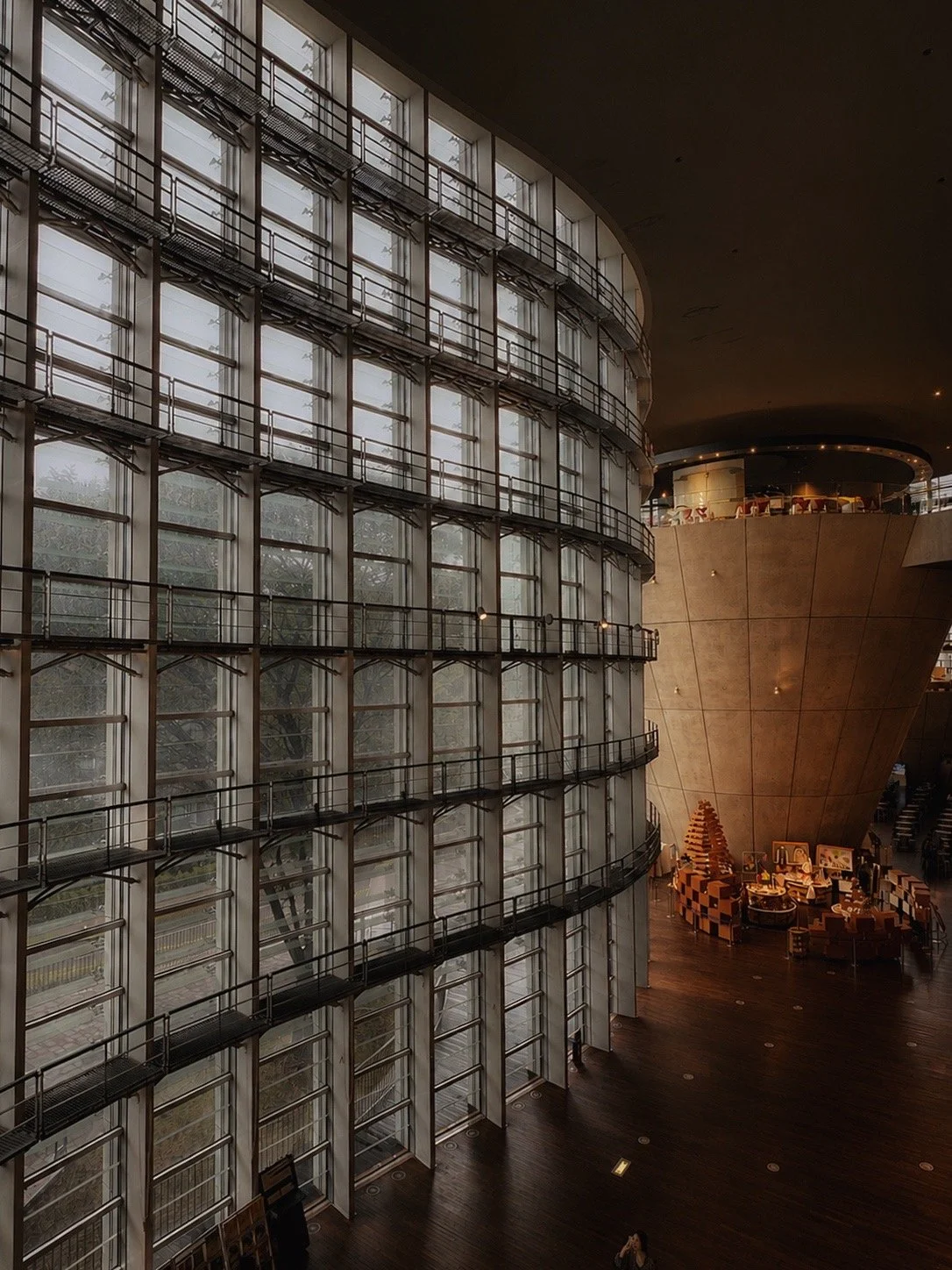
The National Art Center, Tokyo has long been one of my favorites.
Its sweeping glass façade, soaring interior, and graceful curves begin shaping your experience long before you encounter the first work of art. The building changes your relationship with the space around you. Your pace slows, eyes wander. Your attention settles into a different rhythm.
I found that same feeling throughout the month. At the Tokyo National Museum, I became captivated by the symmetry of its staircases and the interplay of light and shadow across polished stone.
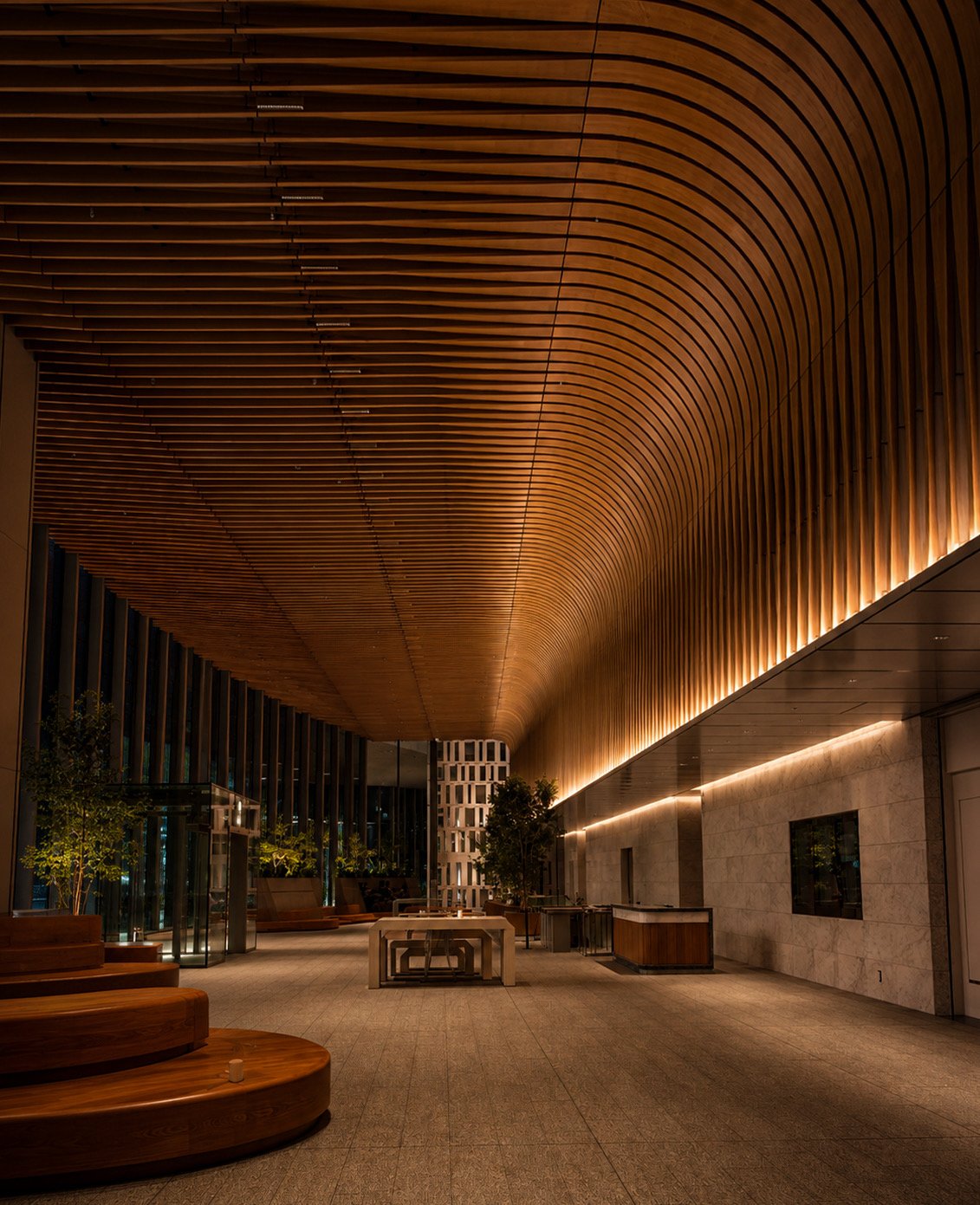
Takanawa Gateway City offered a slightly different experience.
My friend, Sachiko, had described it over coffee that morning as though it were wonderfully straightforward. But by the time I arrived (later than planned after a meeting over tea stretched longer than expected and an impulsive stop to buy yet another Tadao Ando book), I discovered something far more complicated. Photographs—and conversation—had not done it justice.
I wandered through elevator banks, hidden corridors, restaurants, looking for a museum I never actually found. Somewhere in the middle of getting lost—and a little annoyed, if I'm honest—I realized I was also paying attention. Learning the lay of the land.
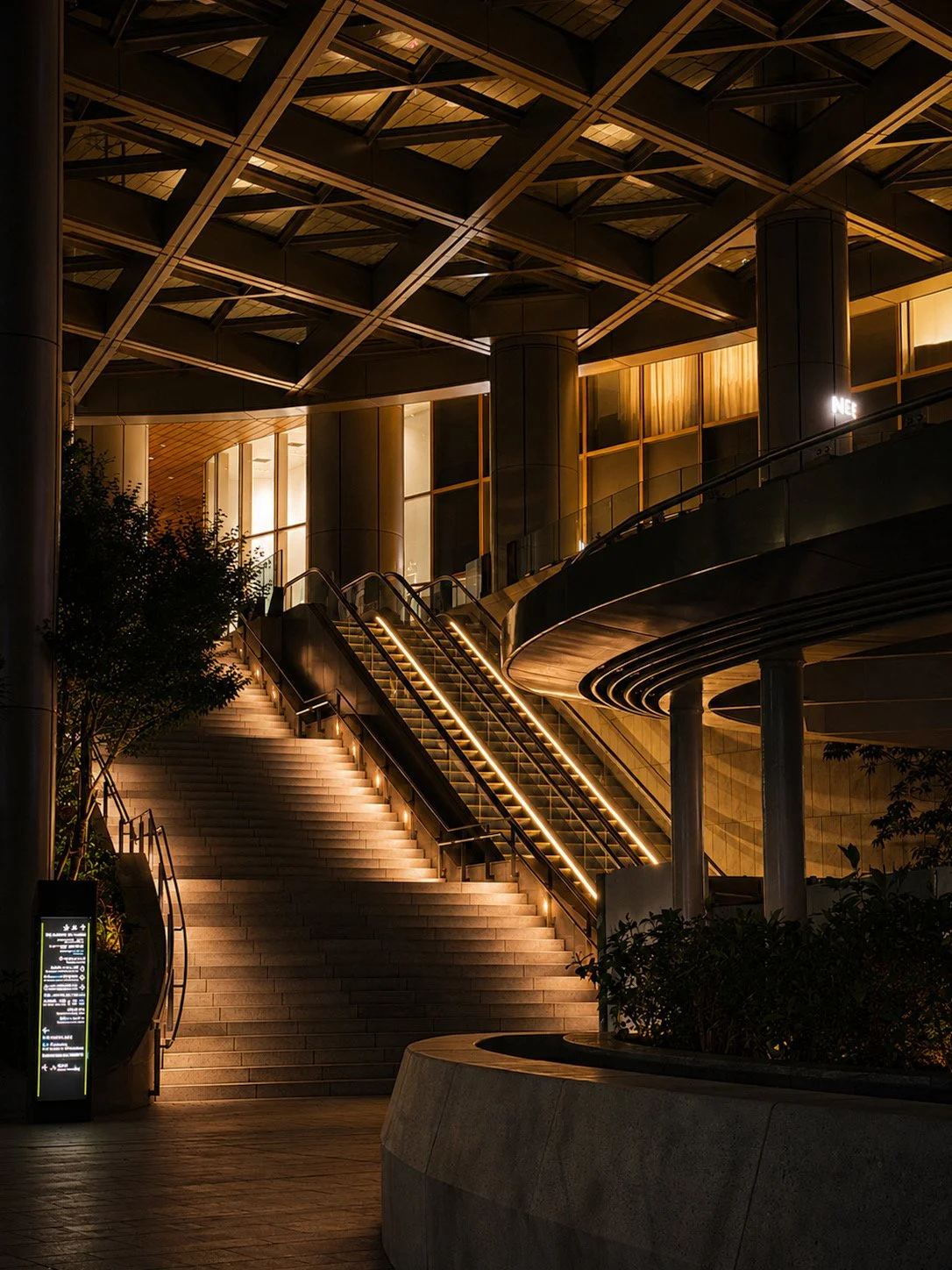
Though in this case, the land went up.
I can laugh about it now, but there was something fitting about losing my way inside a place built to feel like a small city—six blocks meant to evoke islands, a promenade you’re never quite sure where it’s leading. Understanding comes gradually, if it comes at all. It accumulates one unremarkable detail at a time.
But by the time I reached the observation deck, something of what I'd been lost inside started to make sense — the way the corridors folded back toward the atrium, the logic hidden in what had felt like chaos at ground level.
That's the thing about architecture designed with intention. The reveal isn't instant. It takes time, and it takes walking, before it settles into something you begin to understand.
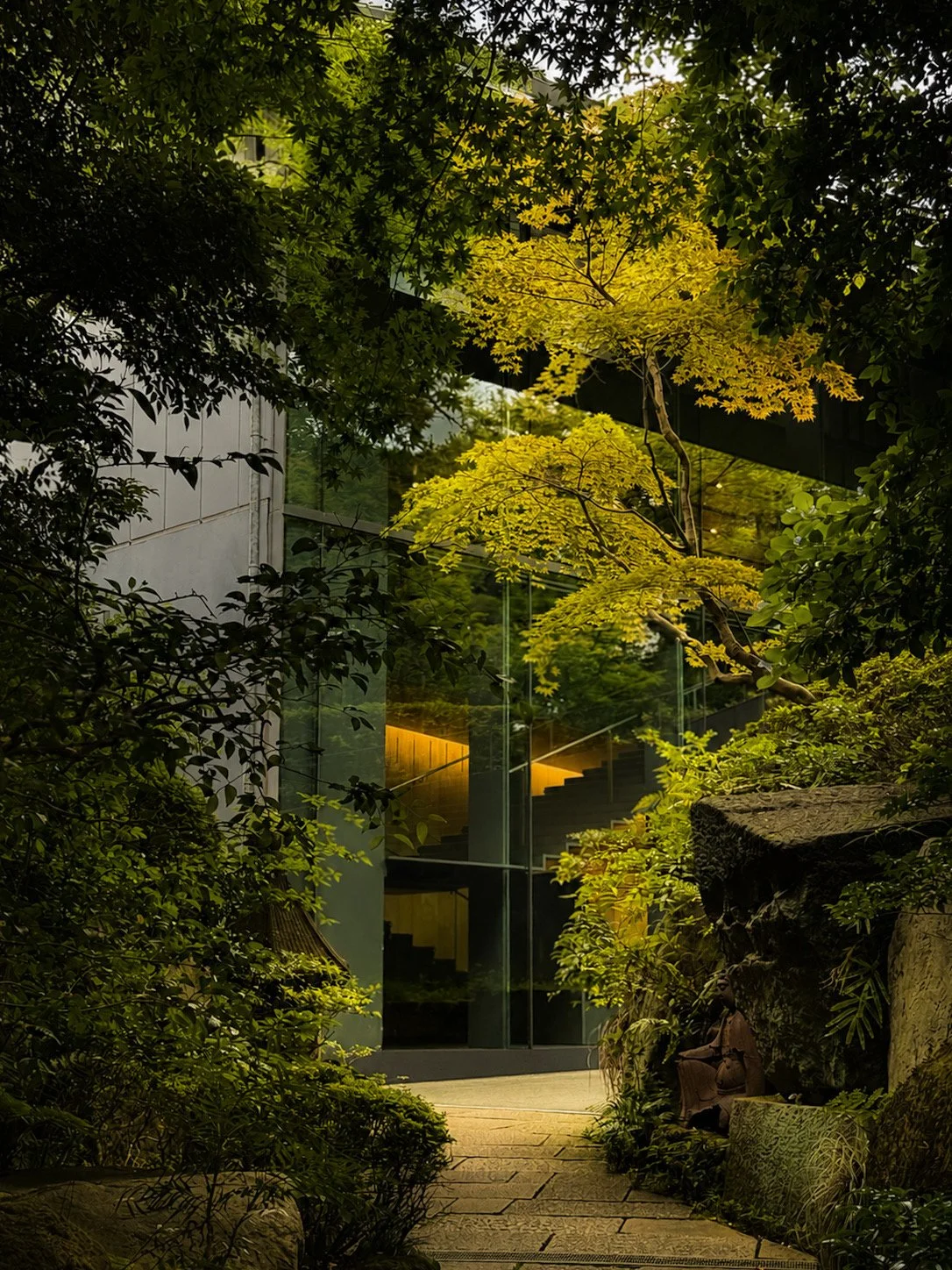
I found the same thing waiting for me at the Nezu Museum a few weeks later—that understanding takes walking, not just looking.
I'd visited before, but this time the gardens held my focus longer than the galleries did. Moss-covered paths wound through bamboo groves. Stone lanterns appeared around gentle bends in the trail. Someone had designed this slowness on purpose—just built from moss and stone instead of glass and concrete. I stayed until I'd stopped checking the time.
I carried that same patience into the Museum of Contemporary Art Tokyo and Hiroshi Sugimoto's Extinction exhibition.
I expected to spend as much time admiring the building as I did the exhibition. That isn't unusual for me. Architecture almost always captures my attention first.
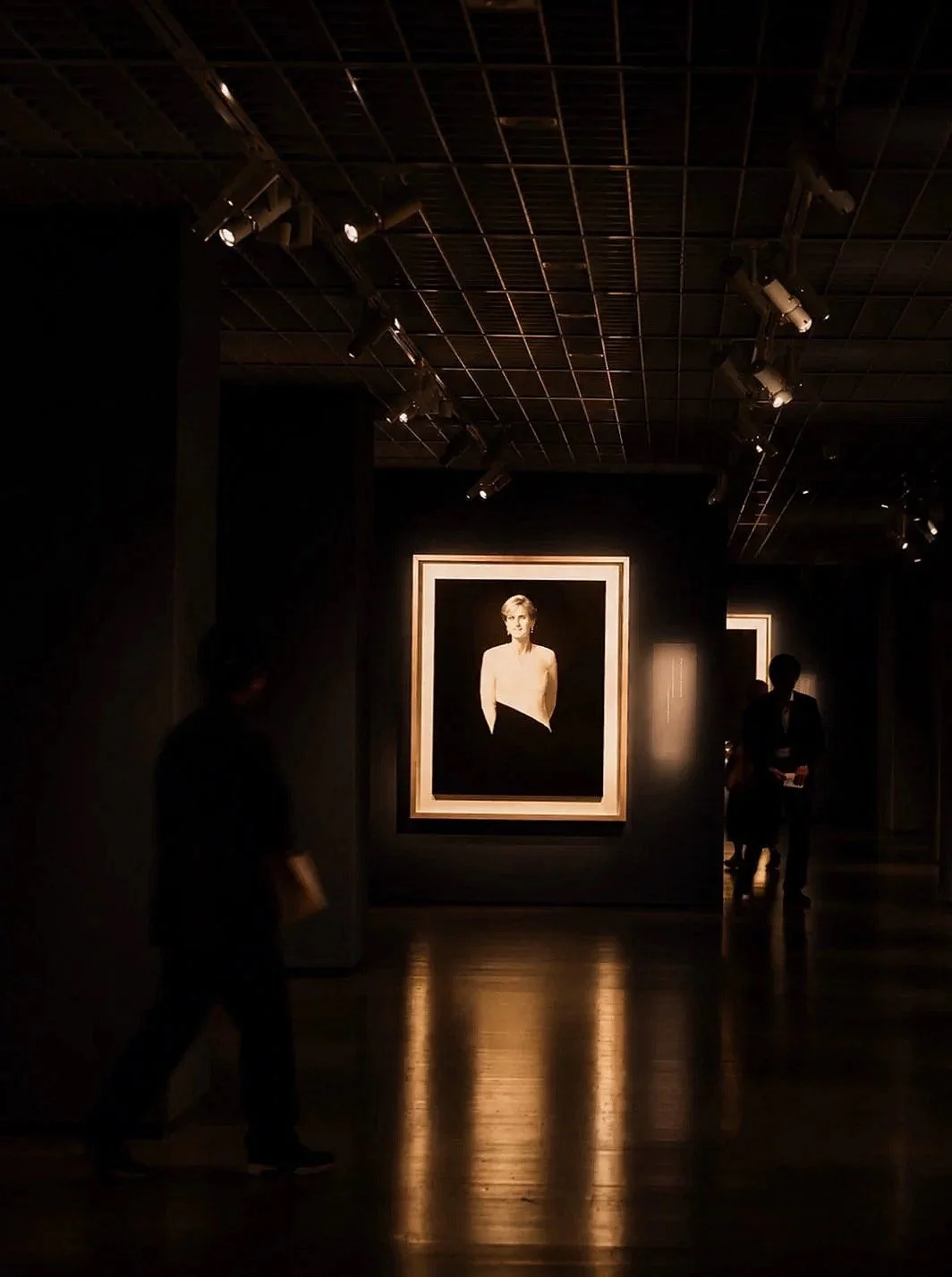
Then Sugimoto changed my perspective.
Standing at a distance, several of his photographs appeared almost painted. It wasn't until I stepped closer that I could see them clearly as photographs, rich with detail and restraint. My assumptions dissolved with every step. I found myself moving back and forth between the images, questioning what I thought I had seen only moments before.
His theater photographs stayed with me longest—each one exposed for the length of an entire film, until the movie itself dissolved into a single luminous white screen. What remained was the architecture: the space that had held every moment of the story.
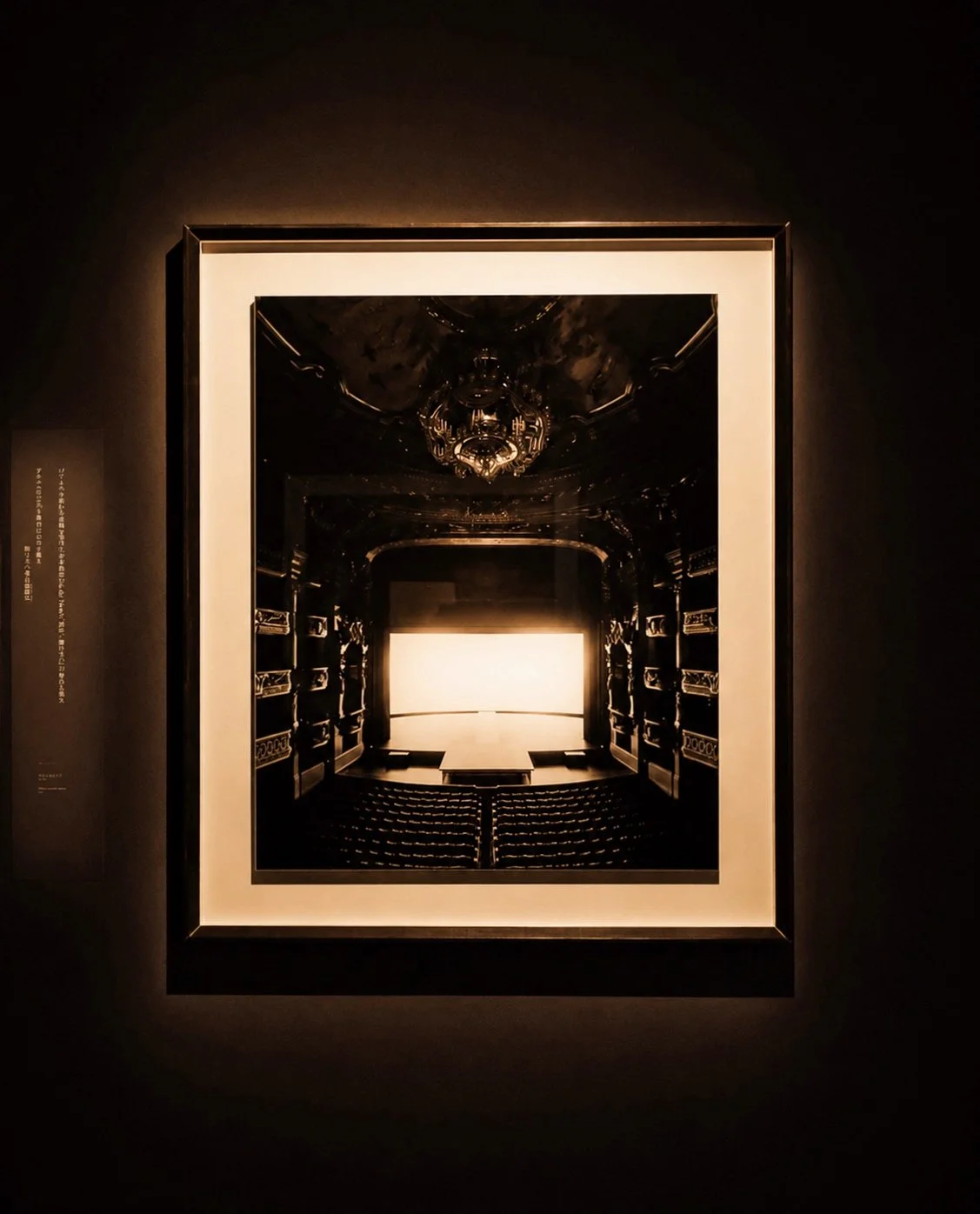
I left carrying two of his books and continue to leaf through them daily.
It's not simply the technical achievement. It's because they reminded me of something I've been discovering throughout this month in Japan: the places we remember most deeply are rarely defined by a single spectacular moment. They're shaped by accumulated moments of attention.
When I think back over these weeks, I certainly remember the destinations and the people I love. But what stays with me are entirely different things: golden light across a museum façade, the geometry of a staircase, hydrangeas bowing beneath the weight of summer, conversations over coffee with friends I hadn't seen in years, the silence inside a gallery before your mind begins racing with thoughts.
These were moments that could have easily passed unnoticed had I been moving just a little faster.
That's why I return to museums wherever I travel. It's why I happily maintain memberships at the High Museum in Atlanta, the Frick Collection, and MoMA in New York. I return not because I've seen everything they have to offer, but because I haven't. Every visit shows me something I overlooked before. Every exhibition, every familiar hallway, every building offers another opportunity to practice seeing.
And that's a big reason why I continue to return to Japan. Every visit teaches me something new, but more often than not, the lesson isn't about Japan itself. It's about perception, patience, and curiosity.
That same attention follows me from the galleries and to the streets. If museums have taught me to notice the architecture of a building, Tokyo itself has taught me to notice the architecture of a city and community.
Over coffee one morning, Sachiko remarked that Tokyo had changed but somehow, hadn't.
I knew exactly what she meant.
This was architecture, too—just a different kind.
On the surface, Tokyo looks different than it did when we first called it home in 2009. New towers rise above familiar neighborhoods. Places like Azabudai Hills and Takanawa Gateway City have reshaped parts of the skyline. Tourism has grown exponentially, and there are certainly moments when the city feels more crowded than I ever remember.
Yet beneath those visible changes, the Tokyo I fell in love with is still here. The quiet respect people extend to one another. The rhythm of daily life. The neighborhood cafés where regulars are greeted by name. The tiny shrines tucked between office buildings. The careful attention to beauty, craftsmanship, and shared spaces. Those things haven't disappeared. They remain the city's heartbeat. Cities evolve, but character? Somehow here, it endures.
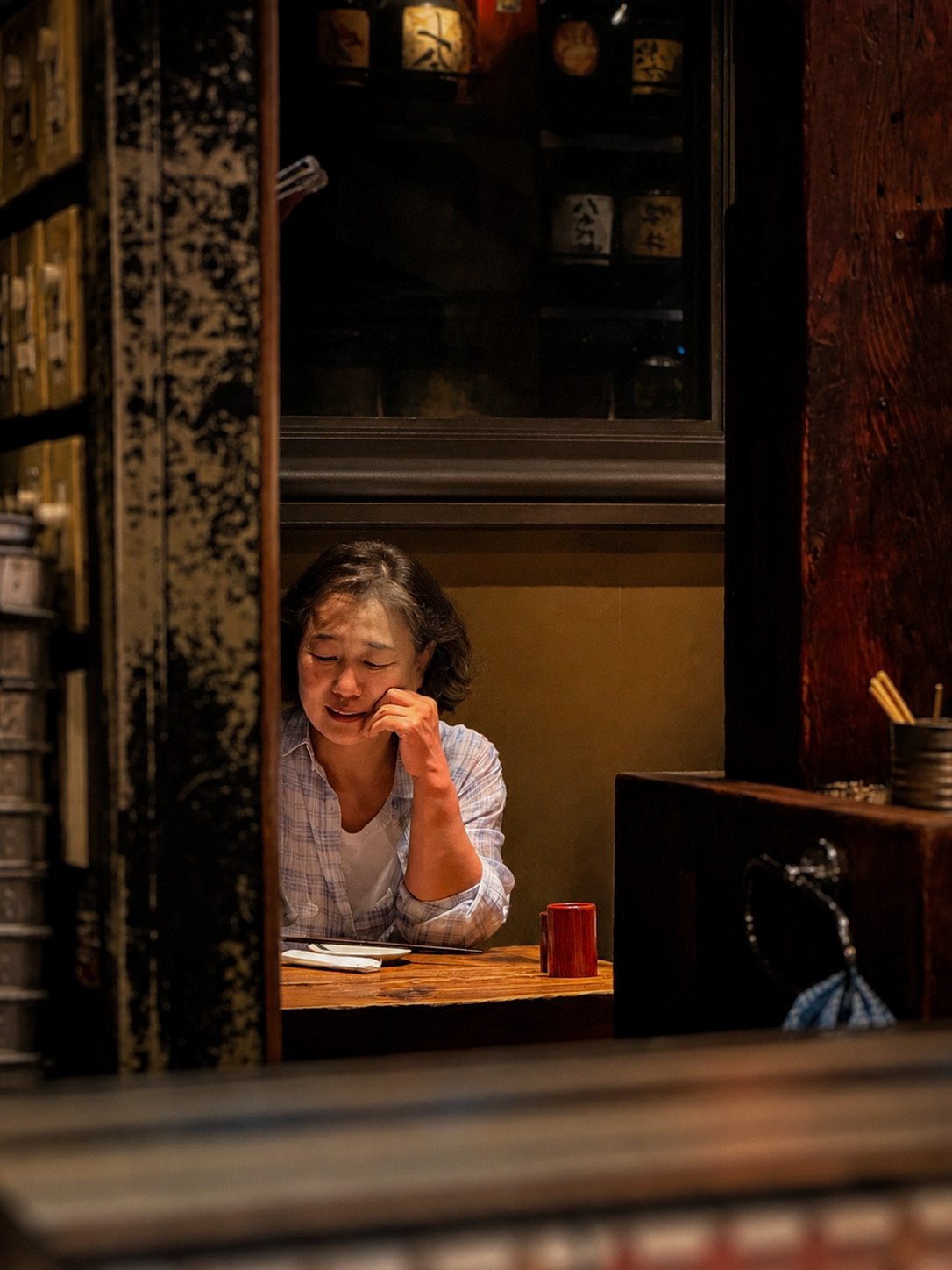
One of those architectures you can put on a map. The other you can only earn by staying long enough, coming back often enough, to notice it.
I think that's one of the greatest privileges of a place you keep choosing year after year. We can now recognize the difference: one belongs to the surface, the other belongs to the soul. The best museums don't simply change what I know. They change how I look.
Perhaps that's why I keep coming back—not only to Japan, but to museums, gardens, galleries, neighborhoods, and cafés wherever I travel. They remind me that paying attention is a practice. And like any practice, it changes the person who commits to it.
I always come home with photographs, but the greatest souvenir has never been an image. It's been the way I continue to be taught to slow down and see.
And that knowledge helps to make these jet-lagged nights a little better—especially when I have memories and photographs to get lost in.
